
Ecolabels in Textiles
Textiles are everywhere in our daily lives, but their environmental cost can be enormous — from heavy water use in cotton farming to the thousands of chemicals used in dyeing and finishing. With global fiber production still on the rise, the question of how to make fashion more sustainable is pressing.
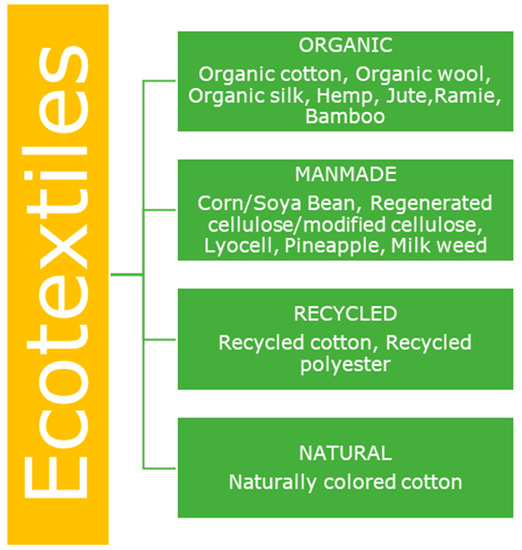
“Classification of the most common ecofriendly fibers” by Sofia Plakantonaki at al. licensed under CC BY 4.0
A review article published in Sustainability, dives into one of the tools on the table: ecolabels and sustainability standards. The study looks at ecofriendly fibers, regulations on harmful substances, and the wide mix of ecolabels currently used across countries. It also highlights the weak spots — patchy criteria, inconsistent enforcement, and the risk of greenwashing.
What does this all mean? Ecolabels on their own won’t fix the problem, but when they are clear, transparent, and trusted, they can shift behavior. They can push brands to clean up supply chains, give consumers reliable guidance, and help policymakers track progress. In other words, they can turn sustainability claims into something measurable and real.
📖 Full article: A Review of Sustainability Standards and Ecolabeling in the Textile Industry
Sofia Plakantonaki / VERDEinMED
