
Increasing Material Efficiency
Through design, material selection, and manufacturing methods, companies can reduce the amount of material that ends up as waste. In effect, this minimises the greenhouse gas (GHG) emissions from producing raw materials, for example, by requiring less cotton to make the same products. It has implications across the value chain. For instance, with higher material utilisation in cut and sew, less yarn would need to be spun, less fabric would need dyed, and so on.
Some companies that are set as examples are ASOS, H&M, Nike, and Dystar.
The Apparel Impact Institute (aii) has published the report Taking Stock of Progress Against the Roadmap to Net Zero, based on greenhouse gas (GHG) emissions data for the 2023 calendar year.
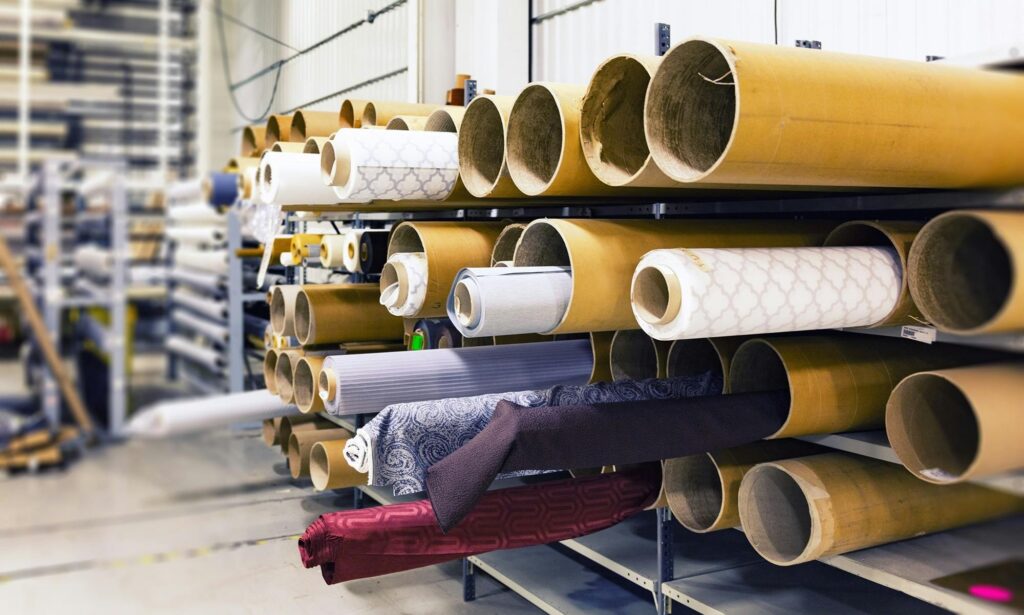
Photo from https://www.pexels.com/el-gr/photo/236748/
